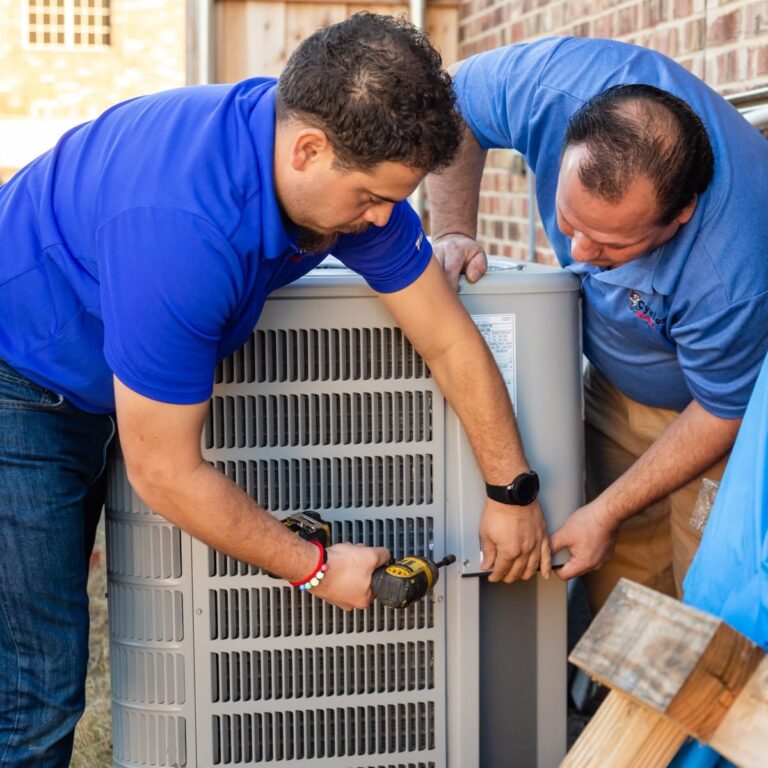
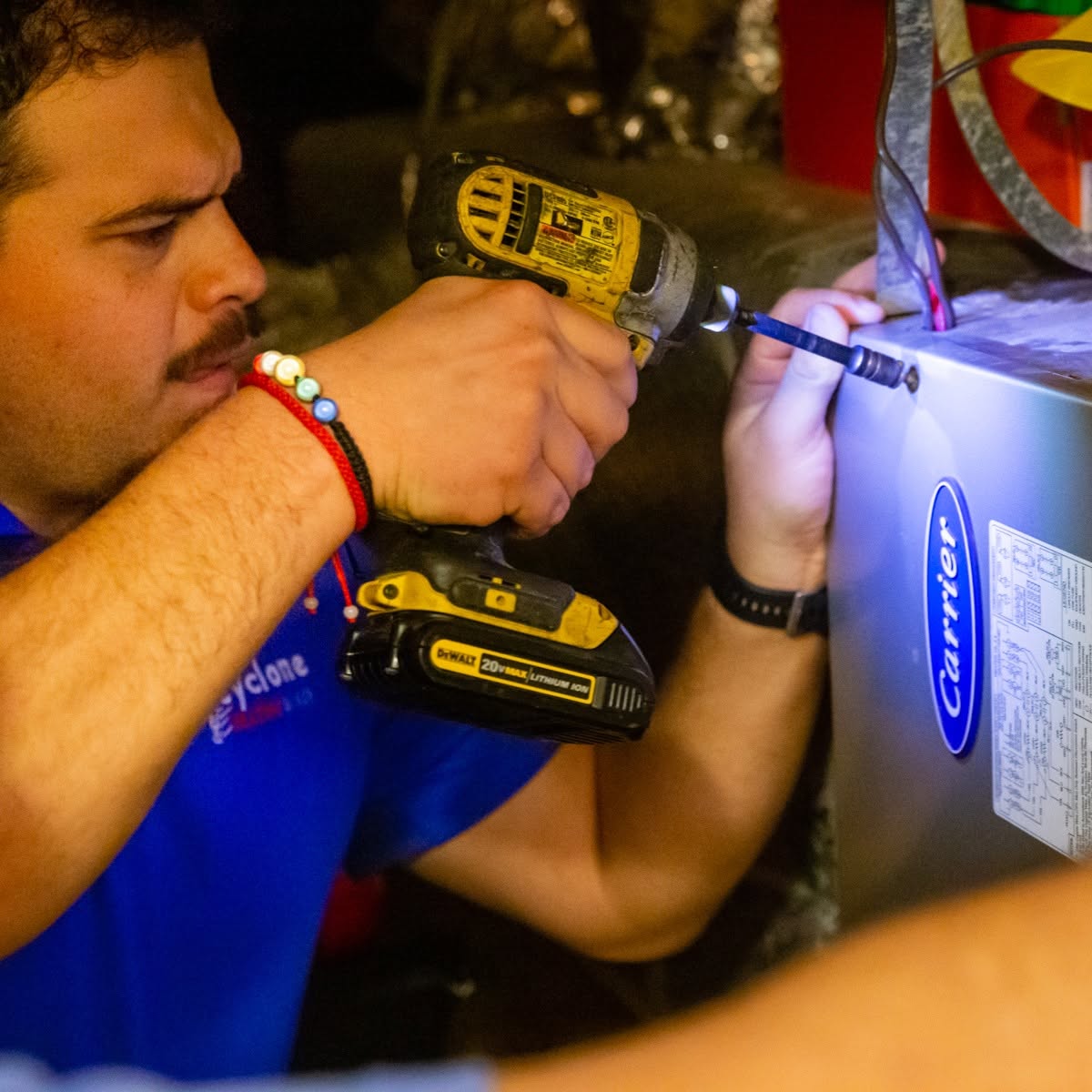
“Tune-up” might be the least standardized term in this industry. From some companies it means a fifteen-minute glance and a sales brochure. Here’s what a real one involves, why spring is the time for it, and how to tell the difference, straight from our AC maintenance team.
The checklist, in plain terms
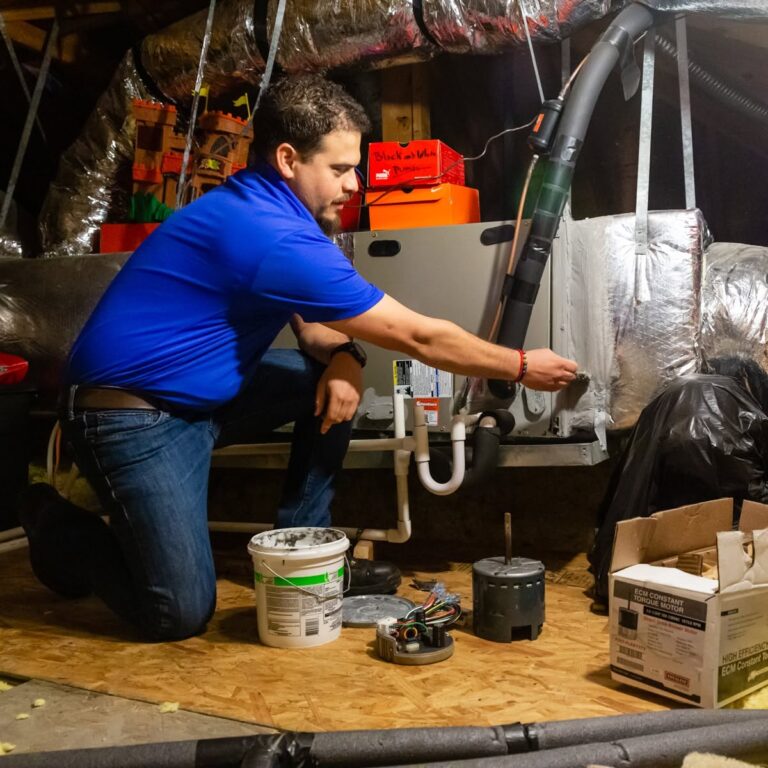
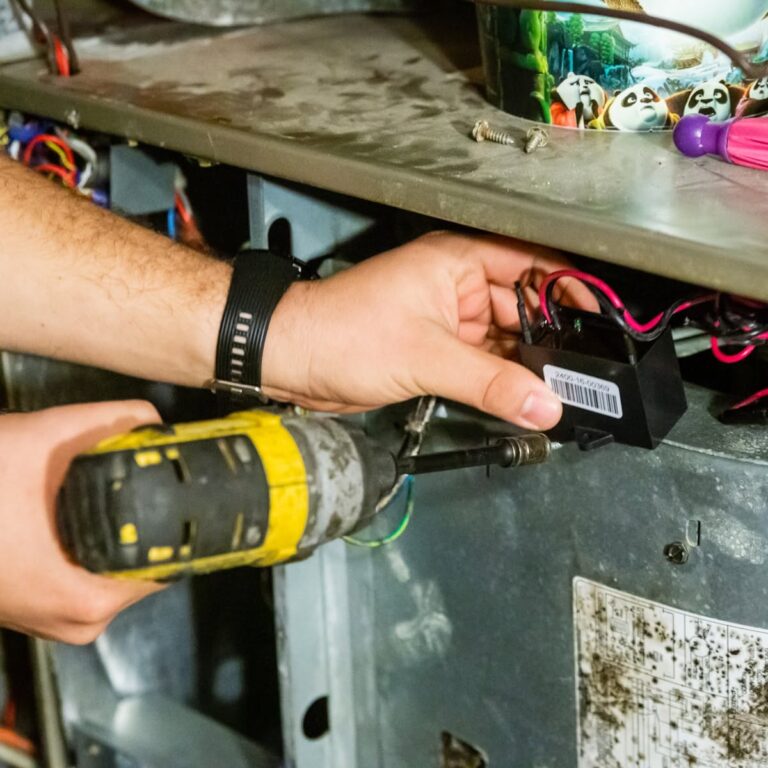
A proper tune-up works through the same list every time. Refrigerant readings: confirming the charge is right, because low usually means a leak worth catching early. Electrical health: tightening connections and testing the capacitor, the component whose quiet decline becomes August’s no-cool call. Coil condition: a dirty outdoor coil makes the system fight Texas heat with one hand tied. Drain line cleaning: the small pipe whose algae clog is behind a remarkable share of summer shutdowns. And airflow measurement: because a system that can’t breathe can’t cool, no matter how healthy everything else is.
Why spring beats July
Every cause on that list is cheaper and calmer to handle in April than during the first hundred-degree week, when every HVAC company in the metroplex is running flat out. The point of a tune-up is sequencing: finding the weak capacitor before the heat finds it for you. It’s the same logic as our heating-season advice, just pointed at the other half of the year: an hour in the fall beats a cold night in January, and an hour in spring beats a Saturday afternoon at 102 degrees.
What a tune-up is not
It is not a guarantee that nothing will ever break. Anyone promising that is selling something. And it should never be a disguised sales visit. Our rule is simple: we show you what we found, in photos where it helps, with a straight quote if something needs attention. Plenty of tune-ups end with “everything looks good, see you next season.” That’s a good outcome, not a wasted trip.
The maintenance plan math
If you’d rather not think about scheduling at all, our maintenance plan handles both seasonal visits (cooling in spring, heating in fall), and plan members save up to $300 a year. Between fewer breakdowns, better efficiency from clean coils and correct charge, and longer equipment life, maintenance is one of the few things in home ownership that reliably costs less than skipping it. Ask about the plan on any visit, or check our current specials.
Signs you’ve skipped one too many
Electric bills creeping up year over year, airflow that feels weaker than you remember, a musty smell when the system starts, or a unit that starts and stops in short bursts: these are what deferred maintenance looks like from the living room. None of them mean disaster; they mean the system is due for the full checklist, and the sooner it happens, the shorter the list of findings tends to be.
Frequently Asked Questions
Need it done instead of explained?
This guide covers the what and why. Here’s who actually does it, same-day* when you call early.
Ask the owner
Reading is free. So is the second opinion.
On weekdays the phone rings Mario, the owner. Tell him what the system is doing; the answer is usually shorter than the article. After hours your details go straight to him and he follows up first thing.
* Same-day service depends on time of call, your location and schedule availability.