Most heating failures don’t come out of nowhere. They telegraph. A noise that wasn’t there last winter, a room that stopped keeping up, a system that starts and stops more often than it used to. Here’s a field guide to the most common heating problems we see across Forney and East Dallas, what each one is telling you, and which ones mean it’s time to call for furnace repair.
No heat at all
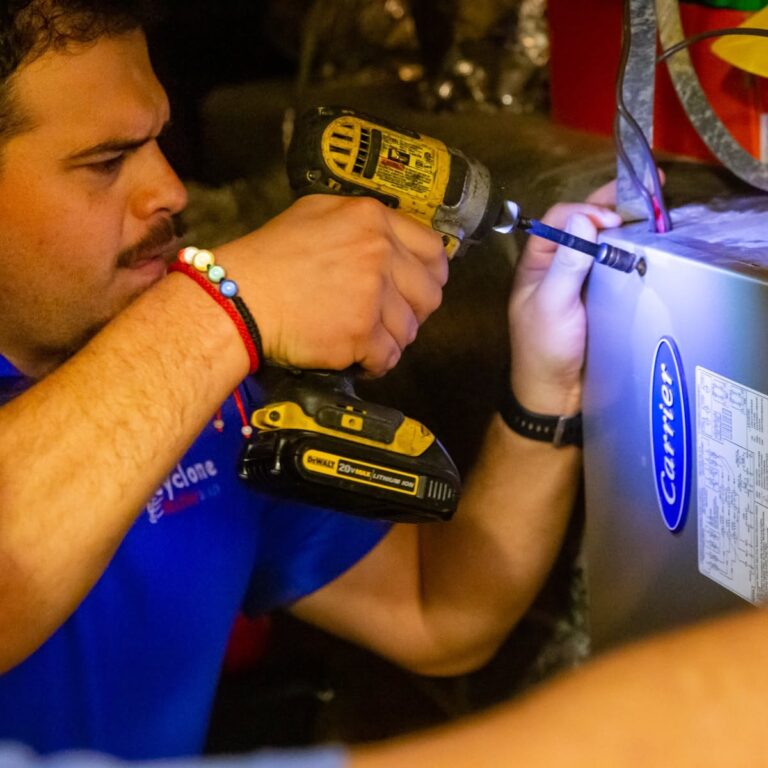
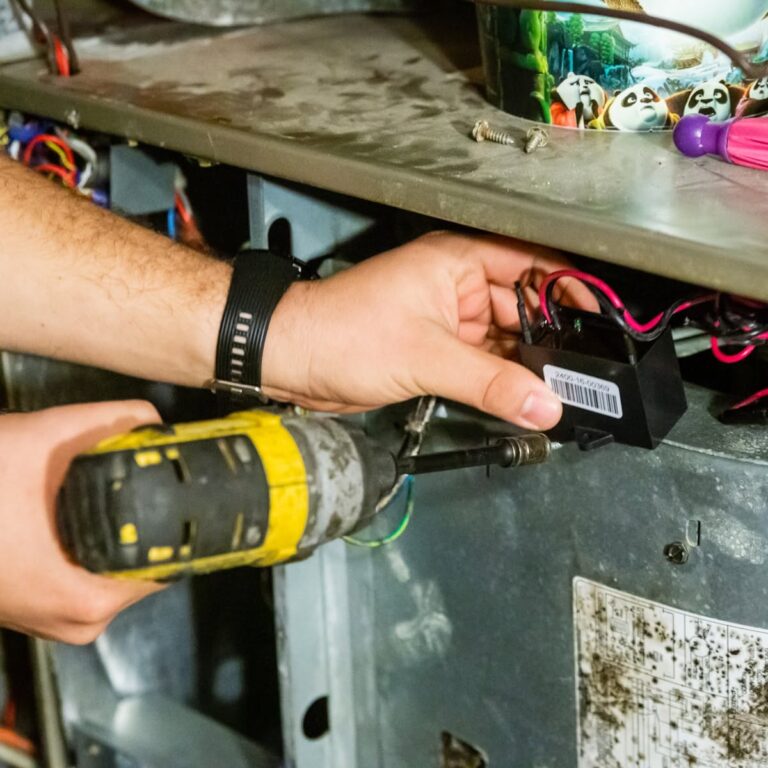
Start with the free checks: thermostat set to heat and calling for a temperature above the room’s, fresh batteries, breaker on and (for gas furnaces) the gas supply on. If all of that checks out and you get nothing, the usual suspects are the ignition system or a safety switch doing its job. A furnace that clicks repeatedly but never lights, or lights and shuts back down within seconds, is describing an igniter or flame-sensor problem, one of the most common and most fixable winter calls we run.
Short cycling: starting and stopping in bursts
A furnace that runs a few minutes, shuts off, and starts again shortly after is short cycling. Causes range from the mundane (a clogged filter overheating the system) to the misleading (a thermostat mounted where a draft or a lamp fools it) to the mechanical (a failing limit switch). It’s worth taking seriously: short cycling is hard on components and usually gets worse, not better.
Noises with meaning
A single boom or bang at startup often means delayed ignition (gas accumulating before it lights), which deserves prompt attention. Whistling usually points to airflow being forced through somewhere too small: a collapsing filter, a blocked return. Metal-on-metal scraping means the blower needs eyes on it now, before a wobble becomes a broken part. Steady humming is often just a furnace being a furnace; new noises that persist are the ones worth a call.
The first-cold-day burning smell
A dusty burning smell for the first hour of the season is normal: eight months of settled dust cooking off the heat exchanger. A burning smell that persists into the next day, smells electrical, or comes with visible smoke is not that. Shut the system down and call.
Cold rooms and creeping bills
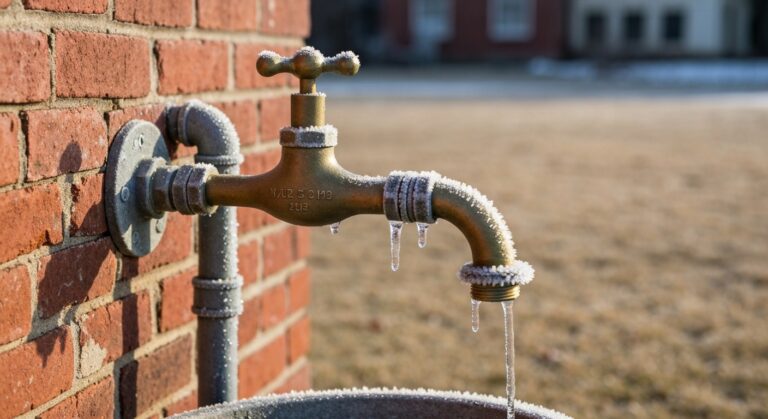
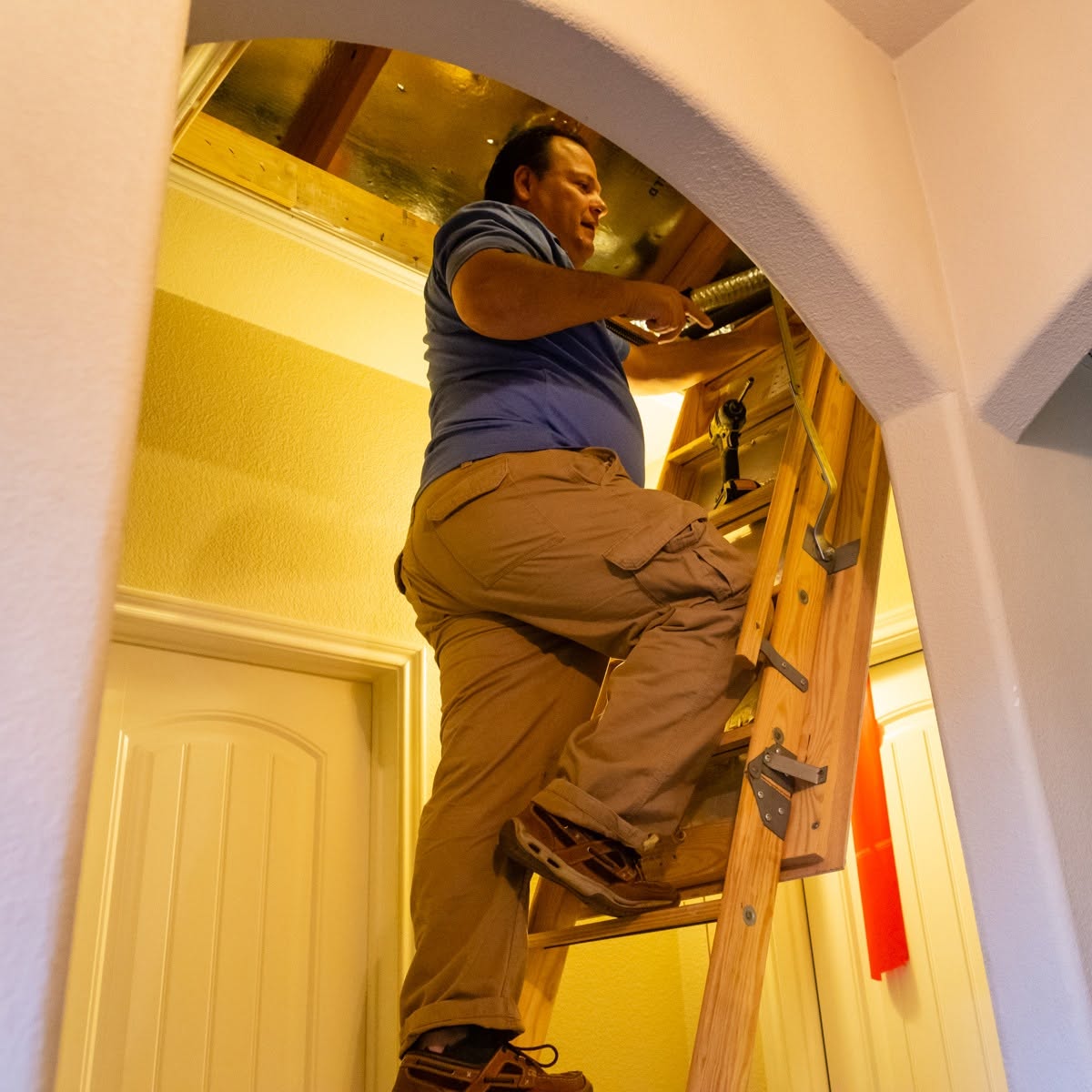
When one room falls behind, think airflow before equipment: closed or blocked vents, duct runs that have come loose in the attic, or a return path that’s starved. When the whole house heats fine but bills keep climbing year over year, the system is working harder to do the same job: classic deferred-maintenance territory, and exactly what a seasonal tune-up exists to catch. And if winter also brings pipe worries, our guide on frozen pipes in North Texas covers that side of a cold snap.
When it’s time to stop troubleshooting
Thermostat, filter, breaker, gas: those are yours, and they resolve a real share of “heater not working” mornings for free. Ignition components, gas systems, and anything involving combustion are ours. When you call Cyclone Heating and Air, you talk to the owner, the diagnosis is honest, and the quote comes before the work. Call early and same-day* service is often available; phones are answered until 9pm, and evening callers get first pick of next-day slots.
Frequently Asked Questions
Need it done instead of explained?
This guide covers the what and why. Here’s who actually does it, same-day* when you call early.
Ask the owner
Reading is free. So is the second opinion.
On weekdays the phone rings Mario, the owner. Tell him what the system is doing; the answer is usually shorter than the article. After hours your details go straight to him and he follows up first thing.
* Same-day service depends on time of call, your location and schedule availability.